Introduction
Private tag specialty foods have come to be significantly prominent in the retail market. With customers seeking one-of-a-kind and top notch products, private label foods provide a scrumptious remedy that satisfies their taste buds and meets their expectations. In this post, we will certainly check out the world of private tag foods, from their production to their impact on both stores and consumers.
The Increase of Private Label Food Manufacturers Australia
Private label food producers in Australia have actually experienced significant growth in the last few years. These manufacturers concentrate on generating private label food that deal with the certain demands and preferences of merchants and consumers. With a focus on top quality and technology, they have actually carved a specific niche on their own in the affordable food industry.
Benefits of Private Label Food Products
Private tag foodstuff use countless benefits for both merchants and customers. Let's take a more detailed consider some of these advantages:

1. Quality Control
One of the significant benefits of private label foodstuff is the control over quality. Merchants can function carefully with private label food manufacturers to make certain that the items meet their preferred requirements. This permits merchants to provide top quality items that line up with their brand name image.
2. Customization
Private tag food manufacturing allows merchants to personalize their items according to their target audience's choices. Whether it's establishing unique flavors or catering to particular dietary demands, private label foods give adaptability in product development.
3. Affordable Pricing
Retailers can benefit from affordable pricing by going with personal label foods. Given that there are no intermediaries included, the expense savings can be passed on to customers, making these products much more budget-friendly compared to nationwide brands.
4. Brand name Differentiation
Private tag foods help merchants distinguish themselves from competitors by providing exclusive items not found elsewhere. This exclusivity produces a feeling of commitment amongst consumers who actively seek out these specialized items.
5. Raised Profit Margins
Private tag foodstuff typically have higher revenue margins for stores compared to national brands. With control over the entire production procedure, sellers can optimize costs and optimize their profits.
The Refine of Private Label Food Manufacturing
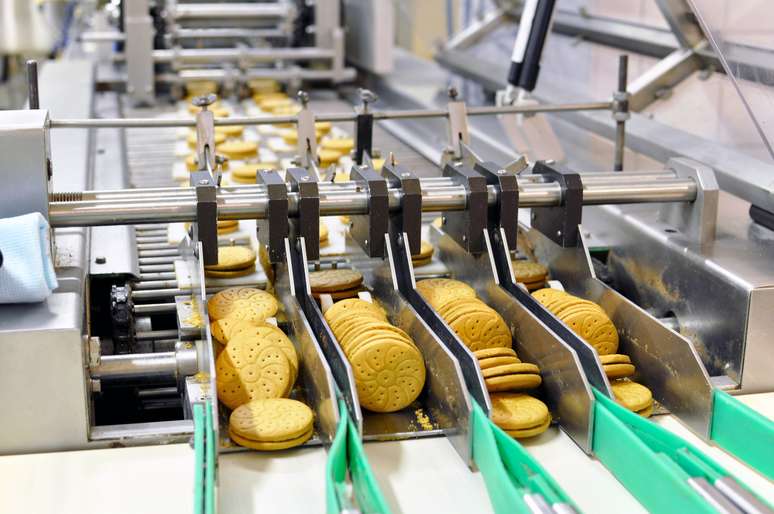
Private label food production entails a number of key actions that guarantee the manufacturing of high-quality items. Allow's look into the process:
1. Research and Development (R&D)
The R&D phase is important in private label food manufacturing. It involves market research to identify consumer trends, tastes, and preferences. Producers function very closely with stores to develop item principles that align with their brand name and target market.
2. Recipe Formulation
Once the idea is wrapped up, suppliers move on to recipe solution. This action entails developing an one-of-a-kind blend of components and flavors that meet the desired preference account. Suppliers might likewise take into consideration integrating LSI key phrases such as "exclusive label specialty foods" and "private label food manufacturers Australia" to boost search engine optimization.
3. Examining and Quality Assurance
Before automation begins, producers perform extensive screening and quality assurance checks. This http://dallasrngt111.trexgame.net/from-principle-to-shelf-exactly-how-private-label-food-manufacturers-bring-your-ideas-to-life ensures that the products satisfy all security and quality standards set by governing bodies. Private label food producers prioritize consumer contentment by delivering items that are safe, delicious, and consistent.
4. Packaging Design
Packaging plays a critical duty secretive label food products' success. Manufacturers collaborate with retailers to develop product packaging that reflects the brand name's worths and interest customers. Attractive layouts combined with interesting tags help attract attention on shop shelves.
5. Manufacturing and Distribution
Once the packaging style is approved, makers begin production on a large scale. They adhere to rigorous production practices to preserve uniformity in taste, appearance, and overall item quality.
Distribution of private label foods is done with numerous channels like grocery stores, on the internet platforms, or specialty stores. Sellers play a vital function in ensuring these items reach their target audience effectively.
FAQs concerning Exclusive Label Foods
What are personal label foods? Private label foods are products that are made by a firm to buy under a seller's brand. These products provide one-of-a-kind tastes and personalization options.
How can sellers take advantage of private label food manufacturing? Merchants can take advantage of private label food production by providing special products, regulating quality, and delighting in higher revenue margins.
Are private label foodstuff of high quality? Yes, private label food manufacturers focus on quality assurance to ensure that their products fulfill the preferred criteria set by retailers.
Can stores customize private label food? Yes, sellers have the flexibility to customize private label food products according to their target market's preferences.
Are personal label foods a lot more economical contrasted to national brand names? Yes, exclusive tag foods are commonly valued competitively, making them extra inexpensive for consumers.
Where can customers discover private label foodstuff? Private label food are offered in different retail outlets such as supermarkets, on-line platforms, and specialty stores.
Conclusion
Private tag foods have changed the retail market by giving a tasty remedy for both merchants and customers. With their focus on quality control, personalization options, and competitive prices, these specialty products supply an unique experience that establishes them besides national brands. Stores can take advantage of the benefits of private label food production to distinguish themselves and raise their revenue margins. Consumers, on the various other hand, can delight in top quality items customized to their preferences. As the demand for unique and delicious food expands, personal label foods remain to thrive in the marketplace, dealing with the developing preferences of consumers.